benefits of multi-layer rigid flex PCBs
A multi-layer rigid flex PCB is a type of printed circuit board that combines rigid and flexible materials to provide the best features of both. These PCBs can be bent or twisted without losing their structure, which makes them ideal for applications in which space is limited. In addition, they are much lighter than traditional rigid PCBs. This combination of flexibility and structural integrity makes them the preferred choice for many high-quality, critical devices and electronics such as medical equipment and aerospace equipment.
rigid flex pcb are designed to handle a variety of environmental conditions, including vibration and shock. They are also capable of withstanding high temperatures, radiation exposure, and oil and chemical penetration. They can even withstand abrasions and mechanical stress.
One of the most important factors when designing a rigid flex PCB is the quality of the copper foil used. In order to ensure that the final product is high-quality and meets the needs of the customer, a rigorous inspection process must be carried out. This step will help to prevent defects such as short circuits and internal faults from occurring in the finished product.
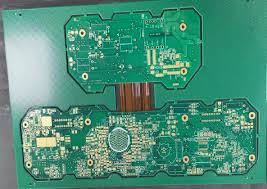
What are the benefits of multi-layer rigid flex PCBs?
In addition to rigorous inspection processes, a flex PCB must be thoroughly tested to make sure that it is free from errors and ready for production. These tests will include a thorough electrical inspection, which will ensure that the circuit boards are free of errors and that they have not been damaged by solder splash. In addition, the flex PCB must be subjected to heat and cold testing to make sure that it will remain functional in extreme temperatures.
Using a flex circuit board can save money by eliminating the need for a wire harness in the device that it is installed in. This can save time, reduce assembly costs, and increase efficiency. Using a flex PCB can also improve the reliability of a device by reducing the number of connections and eliminating the potential for solder joint failures.
In addition, a flex PCB can be molded to fit into tight spaces. This feature is useful for devices that require space-saving components, such as handheld thermal scanners and wearable technology. It can also be a good choice for mobile phones and portable electronics that have to fit into small packages.
Another benefit of using a flex PCB is that it can be easily repaired during maintenance. This is because the rigid section and flex sections are connected with each other through conductive layers without the need for wired connectors. Moreover, the traces on a flex PCB are clearly visible, making it easy to debug or repair.
In addition to these benefits, a flex PCB can save space and weight and is suitable for use in applications where space is at a premium. This type of circuit board is particularly suited for mobile devices that are used in harsh environments and need to withstand repeated vibrations and shocks. It can be manufactured using a range of materials and processes, which are tailored to the specific requirements of each application. In addition, a flex PCB is less expensive to produce than a rigid PCB because it does not need the space for a wired harness or connectors.