Mistrust of the polio eradication effort persists
With an annual budget of about $1 billion, the polio initiative is among the most expensive in all of public health. This year, the US withdrew from WHO, and US President Donald Trump has cut foreign aid.
WHO officials have privately admitted that sustaining funding would be difficult without success. Some say the money would be better spent on other health needs. “We have spent more than $1 billion (in external polio funding) in the last five years in Pakistan alone, and it didn’t buy us any progress,” said Roland Sutter, who formerly led polio research at WHO.
“If this was a private company, we would demand results.”
Villagers, too, have protested the cost, staging hundreds of boycotts of immunization campaigns since 2023. Instead of polio vaccines, they ask for medicine, food and electricity.
In Karachi, locals told AP they didn’t understand the government’s fixation on polio and complained of other issues — dirty water, heroin addiction. Workers are accompanied by armed guards; Pakistani authorities say more than 200 workers and police assigned to protect them have been killed since the 1990s, mostly by militants.
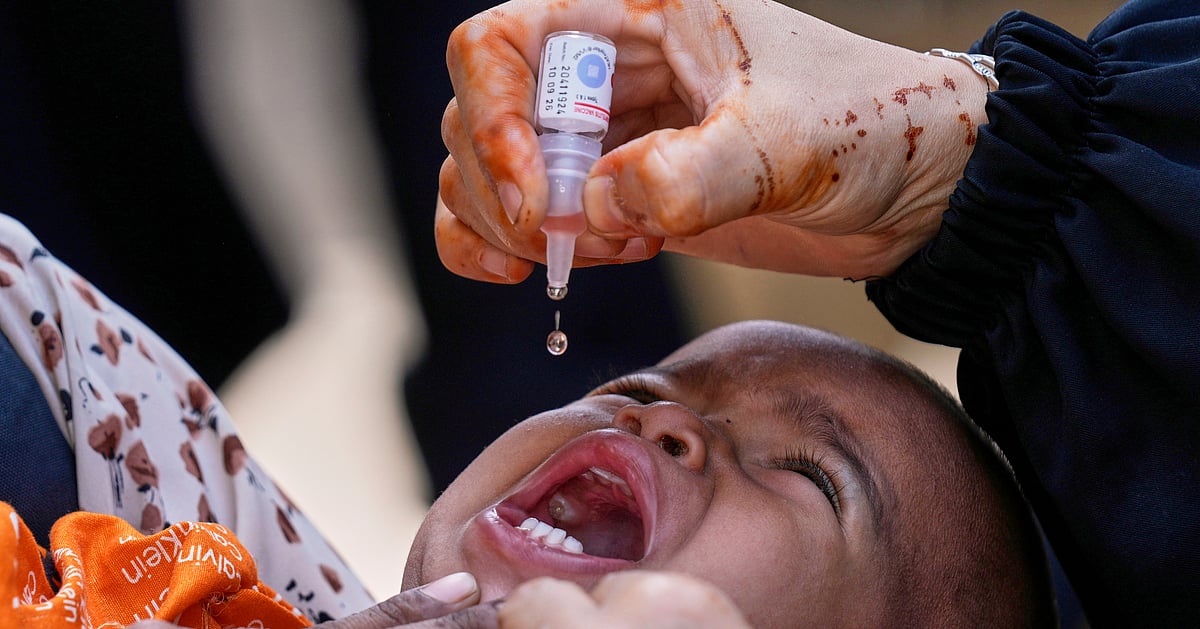
The campaign also is up against a wave of misinformation, including that the vaccine is made from pig urine or will make children reach puberty early. Some blame an anti-vaccine sentiment growing in the US and other countries that have largely funded eradication efforts and say it’s reaching even remote areas of Afghanistan and Pakistan.
In suburban southwest Pakistan, Saleem Khan, 58, said two grandchildren under 5 were vaccinated over his family’s objections. “It results in disability,” said Khan, without citing evidence for his belief.
“They are vaccinated because officials reported our refusal to authorities and the police.”
Svea Closser, professor of international health at Johns Hopkins University, said Pakistan and Afghanistan were less resistant to immunization decades ago. Now, people are angry about the focus on polio and lack of help for diseases like measles or tuberculosis, she said, spurring conspiracy theories. “Polio eradication has created a monster,” Closser said.
It doesn’t help, she added, that in this region, public trust in vaccine campaigns was undermined when the CIA organized a fake hepatitis drive in 2011 in an attempt to get DNA and confirm the presence of Osama bin Laden or his family. Workers see that continued mistrust every day.
In a mountainous region of southeastern Afghanistan where most people survive by growing wheat and raising cows and chickens, a mother of five said she’d prefer that her children be vaccinated against polio, but her husband and other male relatives have instructed their families to reject it.
They believe the false rumors that it will compromise their children’s fertility. “If I allow it,” the woman said, declining to be named over fears of family retribution, “I will be beaten and thrown out.”