
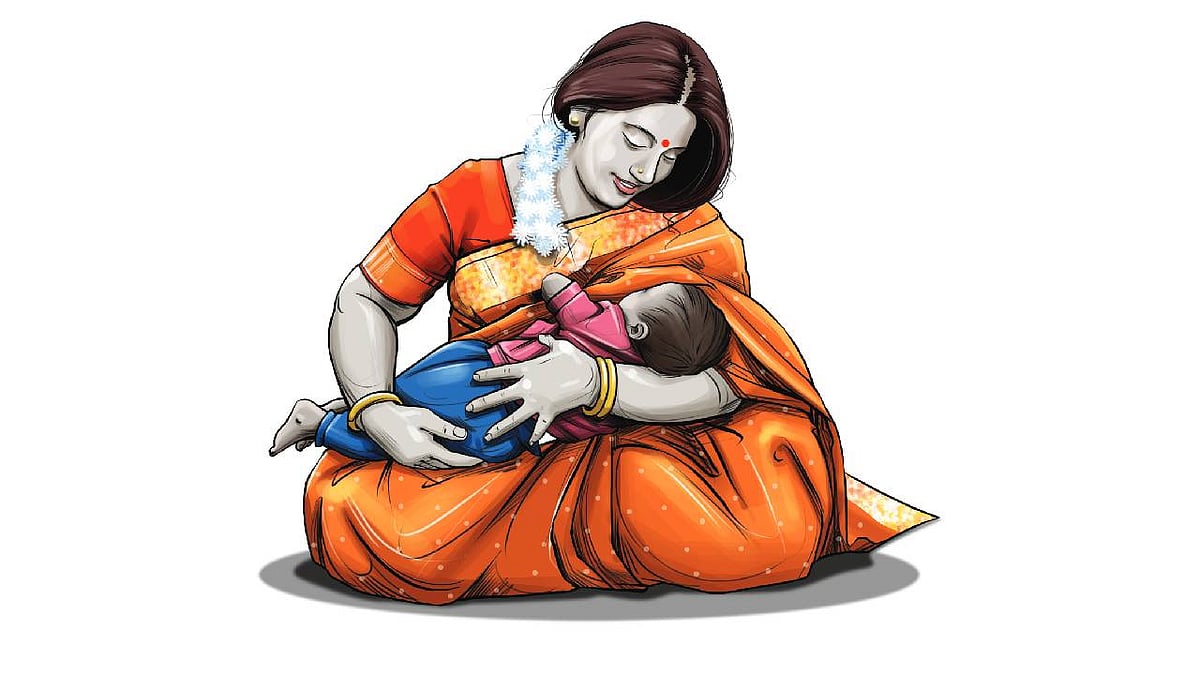
Only those who are educated about health topics are better equipped to make decisions about prenatal care, nutrition, and early childhood development. We must develop a global population that is educated about health. Secondly, it is about ensuring that every socio-economic stratum of society has access to quality medical services and interventions. Government policies must ensure access to maternal health services, including prenatal screening, vaccinations and nutritional support.
When and where should health education occur?
It must begin early in life. Every child should be exposed to a health curriculum in their school. The structured health curricula should include the knowledge and skills required for leading a healthy physical, mental and social life. Teaching children the basics of health from a young age will foster lifelong habits of self-care and informed decision-making. Early exposure to concepts such as hygiene, reproductive health, vaccinations, healthy diet, physical activity and mental well-being can cultivate a generation that grows up more aware of the factors influencing health and how to make the right decisions.
In this context, introducing compulsory health education in primary, middle and secondary school levels becomes imperative. A child who learns about various health topics is not only more likely to grow into an adult with healthy lifestyle habits but also one who seeks timely medical care for themselves and others, when needed. It is a long-term investment in health, and one that promises sustainable results. Unfortunately, health education in schools is still not prioritised globally as well as in India. This must change.


