Proper Heat Dissipation in Board Assembly
When current flows through electronic components, they produce heat. That heat needs to be removed for the device to function properly. If a circuit board isn’t designed to handle the heat produced, components will overheat. This can damage components, shorten their lifespans and cause longer-standing product problems. To keep your products running safely and reliably, it’s important to take a proactive approach to PCB heat management.
The main way to ensure proper heat dissipation in board assembly is to design your boards with adequate space and positioning of components. This will help spread the heat across the board evenly for streamlined cooling. It’s also important to use materials that are heat-dissipating. Copper is a great choice as it has a high thermal conductivity. It can be found in traces, pads, connectors and even thermal vias. Use thicker copper traces on your PCBs, as they can handle higher currents and more heat than thinner ones.
Thermal vias are another tool to prevent overheating. These copper traces connect from the surface of the PCB to a second pad on the other side. The heat can be transferred to the second pad for more even distribution. These are most effective when used in conjunction with heat sinks. The pads where the thermal vias are placed should be exposed on the component side to reduce thermal resistance and prevent solder flow issues during manufacturing.
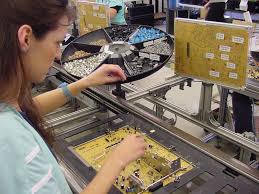
How to Ensure Proper Heat Dissipation in Board Assembly
Other heat dissipation methods include the use of fans and heat sinks to improve airflow and cooling. This can make a huge difference in the overall performance of your circuit board. Additionally, you can use a temperature sensor to monitor the ambient temperature of your components. This will help you identify any potential overheating early on so you can take action before it’s too late.
There are other ways to improve PCB heat dissipation, such as adding a special heat-dissipating layer to your board. This will increase the thermal conductivity of the board to better remove excess heat and improve efficiency. You can also incorporate a large number of holes to provide more channels for heat to escape the PCB.
A final method is to use a thermal epoxy. This can be applied to the top or bottom of a PCB and can increase the thermal conductivity of the substrate. This can be a great solution for high-heat applications.
When it comes to PCB assembly, it’s important to work with a company that can handle all aspects of the process from start to finish. This will save you time and money, as well as ensuring that the finished product is of the highest quality. A reputable PCB assembler will be able to provide you with fast turnaround times and can handle any quantity, from one to 10,000. They will also have the equipment needed to manufacture and assemble your boards using through-hole technology (THT), surface mount technology (SMT) or both. They can also apply the appropriate solder mask to each board, as well as use automated pick and place machinery to add surface-mount components.