
severance pay last
Severance pay is a financial benefit provided to employees when their employment is terminated, often due to layoffs, restructuring, or company closures. One common question that employees have is: how long does severance pay last? Understanding the duration and structure of severance pay is essential for planning finances during the transition period after losing a job.
The length of time severance pay lasts depends on several factors, including company policy, employment contracts, and applicable labor laws. Severance pay is not a fixed standard and can vary widely depending on the employer and the employee’s circumstances. In many cases, severance pay is calculated based on the employee’s length of service. For example, a common formula is to provide one or two weeks of pay for every year worked. If an employee worked for a company for ten years, they might receive severance pay equivalent to 10 to 20 weeks of salary. This formula helps determine the total amount, but how long Severance Pay actually lasts depends on how the payment is structured.
Severance pay can be distributed in different ways, which affects its duration. Some companies offer severance pay as a lump sum payment, which means the entire amount is paid at once, typically soon after termination. In this case, severance pay technically lasts as long as the funds from the lump sum last for the employee. Employees receiving a lump sum must budget carefully because the money is intended to cover their expenses during the period they are unemployed.
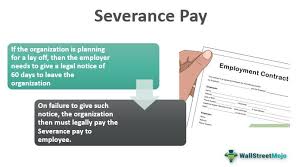
How long does severance pay last?
Alternatively, severance pay can be paid out in installments, such as weekly or monthly payments, similar to a paycheck. This installment method means severance pay lasts exactly as long as the payment schedule dictates. For example, if an employee is entitled to 12 weeks of severance pay, they might receive payments for 12 consecutive weeks following their last day of employment. Paying severance in installments can help employees manage their finances steadily over time, reducing the risk of quickly spending the entire severance amount.
The duration of severance pay may also be influenced by any additional benefits included in the severance package. Some severance agreements include extended health insurance coverage, continued access to company benefits, or job placement assistance, which can effectively extend the financial support beyond just the monetary payments. These benefits often last for the same duration as the severance pay or longer, depending on the agreement.
Labor laws in some regions may set minimum requirements for Legal precedent for large severance pay short service executive duration or amounts, especially for long-term employees or those laid off without cause. These laws help ensure that employees receive adequate financial support during the transition period. However, many employers go beyond legal minimums to offer competitive severance packages.
It is important to note that severance pay does not replace unemployment benefits, which employees may be eligible to receive separately. Unemployment benefits typically start after severance pay ends or even concurrently, depending on local regulations. Employees should understand how severance pay affects their eligibility for these benefits.
In summary, how long does severance pay last depends on the total amount awarded and how it is paid out—either as a lump sum or installments. The amount of severance pay is often tied to the employee’s tenure, with typical formulas based on weeks of pay per year worked. The actual duration that severance pay supports an employee varies based on personal financial management and whether additional benefits are included. Employees should review their severance agreements carefully to understand the payment terms and plan accordingly for their financial needs during unemployment.
