flexible PCBs be used in high-frequency applications
A flexible circuit board (FCB) is a thin substrate that features copper layers and conductors. A dielectric coverlay protects these layers, while adhesive films connect the coverlay to the copper foil. This structure allows flex PCBs to bend and twist without losing their integrity. These advantages make them ideal for portable devices and industrial applications. Moreover, the flexibility of these circuits reduces their weight, making them the ideal choice for applications that require lightweight and durable components.
Before the introduction of FCBs, electronic products used rigid PCBs. Rigid circuit boards are limited in size and cannot adapt to a small or irregular space. To overcome these limitations, manufacturers used flexible PCBs in their products. Flex PCBs are much lighter than rigid circuit boards and can easily adapt to an irregular space, allowing them to operate in more places. They also provide more connectivity options for the circuits inside the product.
The primary role of a cladding layer in a flex PCB is to protect the conductors from external factors that could damage them. This is why a polyimide material is the preferred choice for the cladding layer of a flexible circuit board. This material can withstand high temperatures without degrading, which significantly increases the durability of the flexible circuit board. The flexibility of a flex PCB is also aided by the fact that the cladding layer is made from a flexible dielectric material such as Kapton or polyester film.
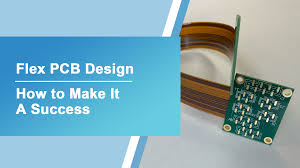
Can flexible PCBs be used in high-frequency applications?
When a flexible pcb is designed, engineers must find the right balance between enhancing flexibility and maintaining durability. This is because enhancing flexibility can sometimes mean using thinner materials, which may affect the PCB’s overall longevity. In order to address this issue, designers and manufacturers must use specialized materials that distribute stress more evenly, and apply protective coatings that shield the circuit board from moisture and dust.
A flex PCB is also typically made from a flexible base substrate that supports the conductors and other necessary components. These substrates are usually made from polyimide or polyester films. The thickness of these substrates can vary from 12 to 50 microns. Conductive material traces are then etched onto the surface of the substrate per precise design specifications. In addition, a dielectric coverlay is placed on top of the substrate to enhance insulation and protection.
Single-sided flex PCBs are the most common variety of flexible PCBs. They are constructed from a single layer of base and copper layers, with conductors accessible through SMT lands on one side of the board. These types of flex PCBs are best for dynamic flex applications, where the PCB will experience repeated bending and movement.
Multilayer flex PCBs consist of three or more layers of copper. The layers are laminated together with the exception of areas occupied by through holes. These PCBs have superior performance, reliability, and quality compared to multilayer rigid PCBs due to their dimensional stability, thermal control, and flexibility. They are more expensive than single-layer flex PCBs, however.