Flexible PCB Printer Handle Multi-Layer Flexible PCBs
A flexible PCB is a type of printed circuit board that can be made into a variety of shapes and sizes. These boards are thin, lightweight, and easy to fold or bend. This makes them ideal for products that require a small form factor and a high degree of flexibility. A flexible PCB can also contain a number of different layers. In most cases, the more layers a flexible PCB has, the less flexible it will be. Nevertheless, there are certain applications that demand the flexibility of multi-layer flexible PCBs.
The flexible pcb printer that are available on the market today are made from a variety of materials. Some are designed for durability, while others are designed for specific performance characteristics. Some of the most common materials for flexible PCBs include polyimide and polyester. Polyimide is a popular choice because it offers a good balance of flexibility and strength. It is also resistant to chemicals and temperature extremes. Polyester is a less expensive option, but it is not as flexible as polyimide.
During the design process, it is important to choose the right materials and stack-up for your flex circuits. You must also take into account the number of layers and the thickness of the board. The thinner the board, the more flexible it will be. The number of layers will impact the cost and rigidity of the board as well. In addition, the type of copper used will determine the conductor’s flexibility.
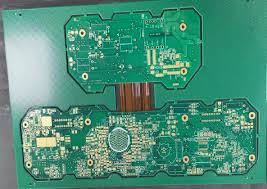
Can a Flexible PCB Printer Handle Multi-Layer Flexible PCBs?
In a flex circuit, you must be careful when routing traces near the bend area. If you route a conductive track directly over the bend area, it can crack or break during dynamic bending. In order to prevent this from happening, you must use a bonded design and ensure that the minimum bend radius is larger than the diameter of the trace. In addition, you should avoid 90@ bends, which are more likely to cause damage.
When it comes to the manufacturing of a flex circuit, you must be sure to use a high-quality manufacturer that can produce the board at a low price. The best way to do this is by visiting the manufacturer’s facilities and assessing the quality control processes that they use. In addition, you should ask the manufacturer about their storage and warehousing practices to prevent moisture and dust from damaging the circuit.
To make the most of your flex PCB, you should use a flexible board that has plated through-holes (PTH). You can use teardrop-shaped vias to connect traces and plated through-holes on a flexible circuit. This will reduce stress concentration spots and increase the reliability of your connections. In addition, you can use hold-down tabs to secure traces in place during assembly and rework. This will help you save time and money by avoiding the need to rework your flexible circuits.