expected lifespan of an electronics assembly
The expected lifespan of an electronics assembly, like any product, is influenced by a multitude of factors ranging from design and manufacturing quality to usage patterns and environmental conditions. An electronics assembly typically refers to the integration of various electronic components into a cohesive system, such as a circuit board or electronic device. Understanding the factors that contribute to the lifespan of an electronics assembly is crucial for manufacturers, consumers, and service providers alike.
One of the primary determinants of an electronics assembly lifespan is the quality of its components and materials. High-quality components sourced from reputable suppliers are more likely to withstand the rigors of daily use and environmental stressors, thereby prolonging the assembly’s lifespan. Conversely, assemblies constructed with substandard or counterfeit components may experience premature failures, leading to shorter lifespans and potential safety hazards.
Moreover, the design and manufacturing processes play a significant role in determining the longevity of an electronics assembly. Well-designed assemblies with robust architectures, proper thermal management, and effective ESD protection are more resilient to wear and tear, temperature fluctuations, and voltage spikes. Additionally, adherence to industry standards and best practices during manufacturing, such as proper soldering techniques, component placement, and quality control inspections, can help ensure the reliability and durability of the assembly.
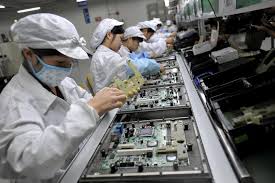
What is the expected lifespan of an electronics assembly?
Usage patterns and environmental conditions also influence the lifespan of an electronics assembly. Devices subjected to heavy usage, frequent power cycling, or extreme operating conditions may experience accelerated wear and degradation of components, leading to shorter lifespans. Similarly, exposure to moisture, dust, temperature extremes, and other environmental factors can compromise the integrity of the assembly over time. Therefore, proper maintenance, storage, and usage practices are essential for maximizing the lifespan of electronic devices and assemblies.
Furthermore, advancements in technology and product lifecycle management contribute to the evolving lifespan expectations of electronics assemblies. As technology continues to advance, newer generations of electronic components and assemblies may offer improved performance, efficiency, and reliability compared to their predecessors. However, rapid technological obsolescence and changing consumer preferences can also influence the perceived lifespan of electronic devices, leading to shorter lifecycles and more frequent upgrades.
Another factor that affects the expected lifespan of an electronics assembly is the availability of support and service options. Manufacturers that provide extended warranties, maintenance programs, and spare parts availability can help prolong the lifespan of their products by enabling timely repairs, upgrades, and replacements. Conversely, assemblies from manufacturers that offer limited support or discontinue product lines may have shorter effective lifespans due to difficulties in obtaining replacement parts or technical assistance.
In conclusion, the expected lifespan of an electronics assembly is determined by a complex interplay of factors including component quality, design and manufacturing processes, usage patterns, environmental conditions, technological advancements, and support infrastructure. While some assemblies may last for decades with proper care and maintenance, others may become obsolete or fail prematurely due to various factors. By understanding these factors and implementing proactive measures to mitigate risks and extend longevity, manufacturers and consumers can maximize the value and utility of electronic devices and assemblies.